How to Vet a Charity Before You Donate: A Practical Checklist
How to Vet a Charity Before You Donate: A Practical ChecklistDonating to a cause you care about should feel empowering—not uncertain. Yet with thousands of organisations competing for attention, knowing
How to Vet a Charity Before You Donate: A Practical ChecklistDonating to a cause you care about should feel empowering—not uncertain. Yet with thousands of organisations competing for attention, knowing
how to vet a charityhas never been more important. Whether you are a first-time donor, an experienced philanthropist, a corporate sponsor, or a volunteer considering involvement with a
charity in Tanzania, the same principle applies:
responsible donationstarts with asking the right questions.At
Zara Tanzania Charity, we believe transparency is not a favour to donors—it is a fundamental responsibility. The organisations worth your trust will welcome your curiosity. Below is a practical checklist to help you evaluate any charity before you commit your time, money, or energy.
1. Confirm the Organisation
Before you give, know exactly who you are giving to. A legitimate charity should clearly explain who it is, where it works, and what programmes it operates. Look for registered status, a physical presence, and a track record you can verify.
The Zara Example:Zara Tanzania Charityoperates across multiple regions in Tanzania, running everything from the
Moshi Kids Centreand
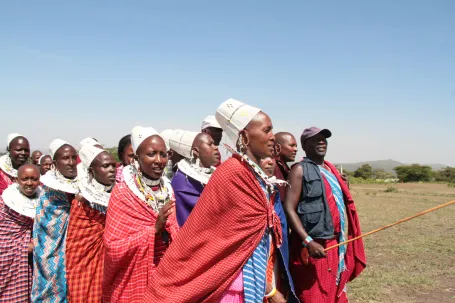
Maasai Pre-Schoolto women’s empowerment initiatives and environmental projects. Our
founder’s storyis publicly shared because we believe relationships are built on openness, not obscurity.
2. Understand the Programme
A trustworthy charity does not hide behind vague mission statements. It should explain the specific problem being addressed, who the programme serves, and how activities are delivered on the ground. Concrete details signal competence; buzzwords signal caution.
The Zara Example:Our
water projectsdo not simply promise “clean water for all.” We document the communities served, the technology used, and the maintenance plans that keep systems running long after installation. Whether it is
solar projectsbringing electricity to rural areas or
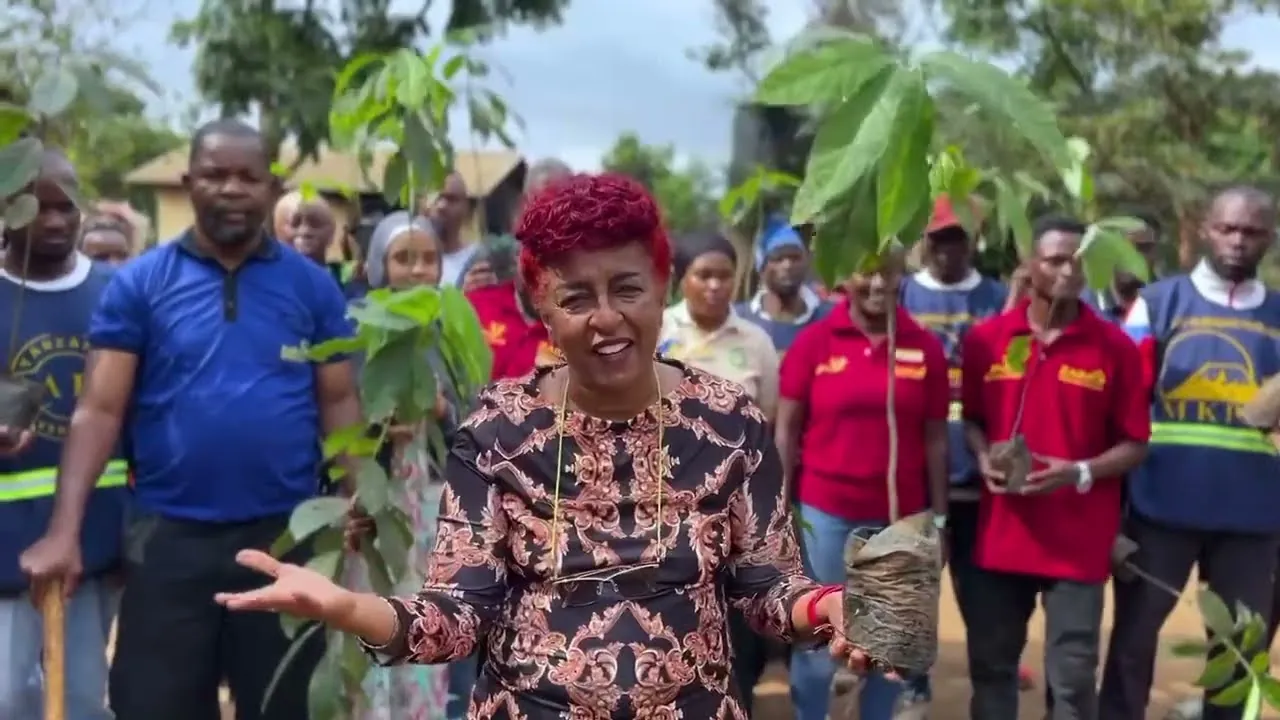
tree plantingrestoring degraded land, every initiative has a clear theory of change and a local implementation plan.
3. Ask About Local Involvement
Strong programmes do not treat local people as passive beneficiaries. True development happens when community members, local staff, and partners participate in both decisions and delivery. If an organisation cannot name its local team or describe community input, that is a red flag.
The Zara Example:From our
Beekeeping/Asali Projectto
community outreach, Tanzanian leadership drives every decision. Local staff manage day-to-day operations, and community committees help prioritise which projects receive support first. We do not impose solutions; we facilitate them. That is why our
women’s empowermentprogrammes are designed with participants, not for them.
4. Look for Transparency
Can you find responsible contact information, programme updates, and clear explanations of how support is used? Be cautious of organisations that rely only on emotional images without explaining their work.
Charity transparencymeans more than publishing an annual report—it means being answerable to the people you serve and the people who fund you.
The Zara Example:We publish programme updates, financial summaries, and impact reports because donors deserve to know where every shilling goes. Our
FAQsaddress common questions openly, and our
contact pageinvites direct dialogue.
Responsible donationstarts with honest communication—and we are committed to both.
5. Ask About Safeguarding
Organisations working with children or vulnerable people must take safeguarding seriously. Donors and volunteers should not expect unrestricted access to beneficiaries simply because they contributed money. Robust safeguarding policies protect everyone—especially those most at risk.
The Zara Example:At the
Moshi Kids Centreand
Maasai Pre-School, we enforce strict child-protection protocols. Visitors are screened, interactions are supervised, and our staff undergo regular safeguarding training. Your generosity should never compromise a child’s safety or dignity.
6. Be Careful with Unrealistic Promises
Social impact is complex. Be cautious when an organisation promises dramatic results without evidence or suggests that one donation will solve a complicated problem. Sustainable change takes time, partnerships, and adaptive management.
The Zara Example:When we organise
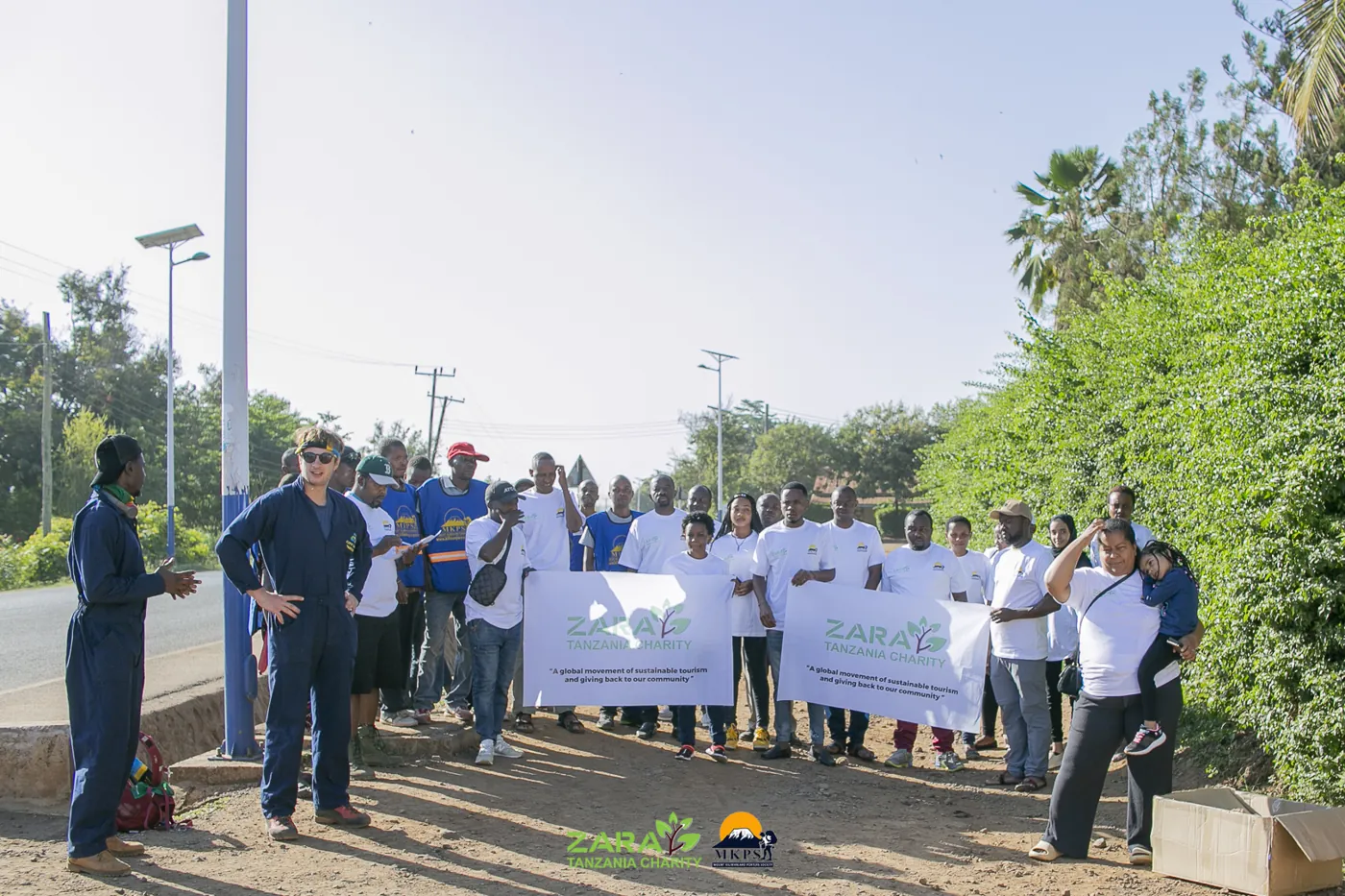
Kilimanjaro clean-up activitiesor
ocean/coastal clean-upinitiatives, we do not claim we will single-handedly end pollution. Instead, we share measurable outcomes—kilograms of waste removed, community volunteers trained, and local policies influenced—while acknowledging the long road ahead.
Environmental conservationis a marathon, not a sprint, and we are honest about the distance.
7. Follow the Impact Over Time
Responsible giving is a relationship built on trust, not a transaction. Read updates, ask questions, and look for evidence that programmes remain connected to community needs. The best charities evolve because they listen.
The Zara Example:Our supporters receive regular updates on
women’s empowermentcohorts,
solar projectexpansions, and new
community outreachefforts. We want you to see the journey, not just the destination. That continuity is what transforms a one-time gift into lasting partnership.
Your Next Step: Explore, Then Give
At Zara Tanzania Charity, we encourage every supporter to learn about our programmes and ask questions before deciding how they would like to help. A well-informed donor is our most valuable partner.
Explore our current programmes, governance, and ways to support Zara Tanzania Charity.When you are ready, your contribution—whether financial or through volunteering—will be part of something transparent, accountable, and genuinely community-led.